WELCOME TO AQUAMEN
Aquatic Environmental Management Association - Protecting Cameroon's Coastal Ecosystems

Field Research & Coastal Management
Discover our field research, habitat restoration, and coastal management initiatives
Marine Biodiversity Conservation
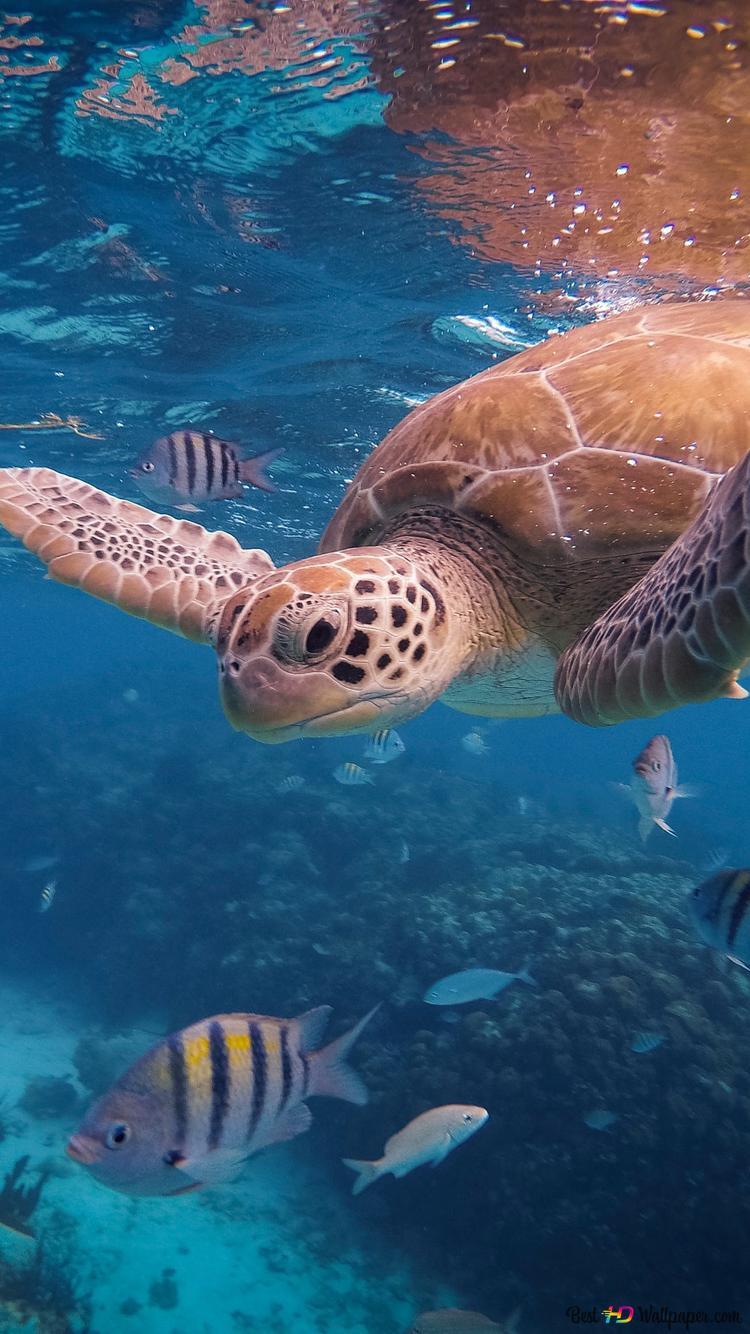
Bring your energy and passion to support marine biodiversity conservation in Cameroon

Research & Publications
Read research papers and publications produced by AQUAMEN experts

Scientific Articles & Findings
Access our scientific articles, project reports, and official publications

Media Gallery & Community Action
Visual highlights of our marine ecosystem projects & community engagement

OUR STORY & MISSION
The Aquatic Environmental Management Association (AQUAMEN) was born in 2016 from the vision of four young engineering students specializing in fisheries, wishing to improve aquatic resource management on the Cameroonian coast.
- 8+ years of dedicated scientific research in oceanography, limnology, and hydrology.
- Community awareness programs for coastal populations along the Gulf of Guinea.
- Sustainable livelihood development and protection of essential marine habitats.
Thanks to specialized knowledge, AQUAMEN is committed to increasing the awareness of local communities on resource health and executing concrete actions to preserve biodiversity and optimize governance.
STRATEGIC AXES
Our Core Programs & Action Areas
Ecological Assessment
AQUA-RESEARCH: Mapping coastal marine habitats essential to biodiversity while integrating local traditional knowledge.
Community Awareness
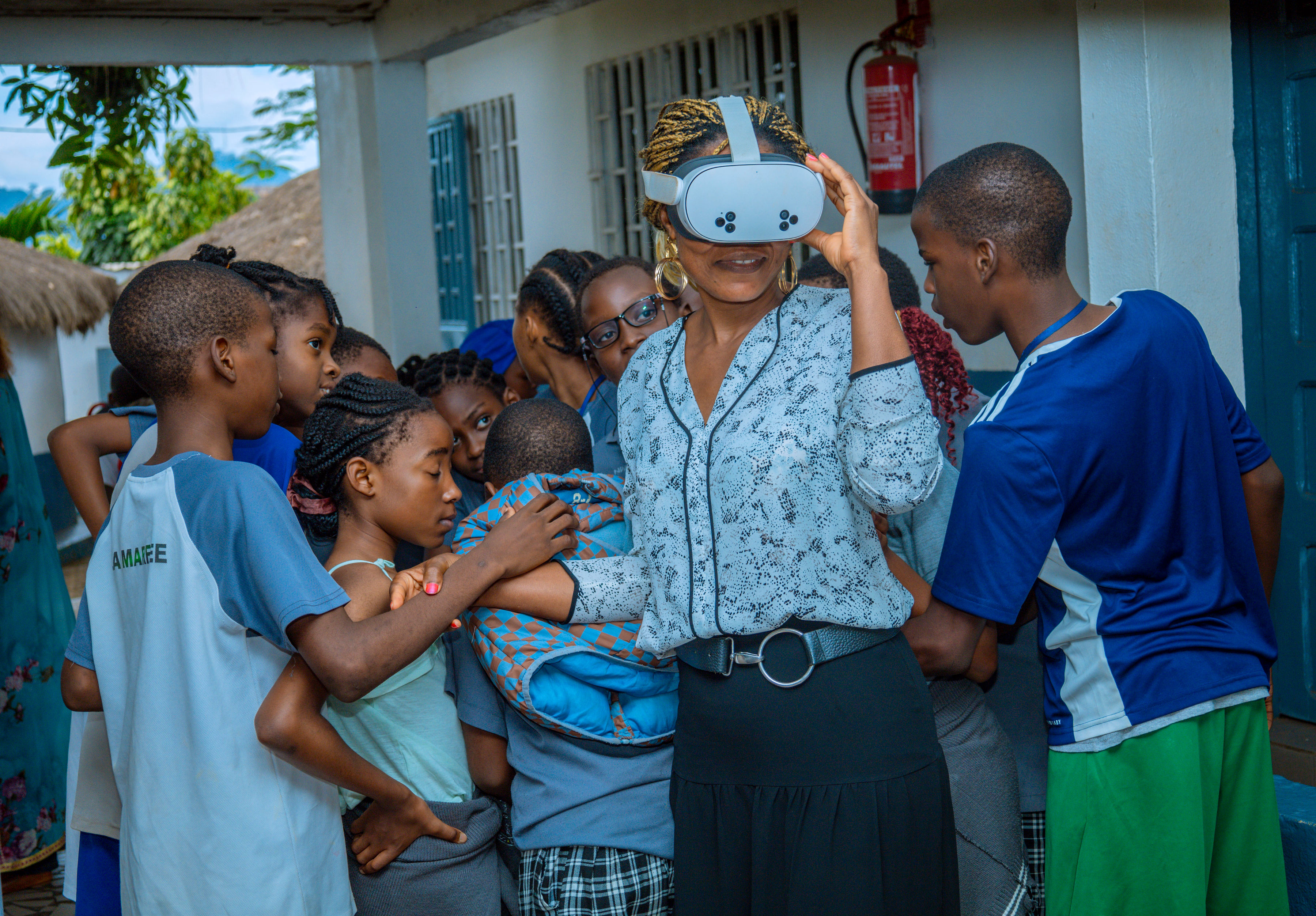
AQUA-COM: Educational initiatives to raise awareness among coastal populations on marine conservation and resource stewardship.
Sustainable Livelihoods
AQUA-INVEST: Training in responsible fishing practices, ecotourism, and sustainable development for riverside communities.
Governance & Policy
AQUA-GO: Strengthening aquatic biodiversity governance, monitoring, and evaluation mechanisms across decision levels.
PROJECTS & ACTIVITIES
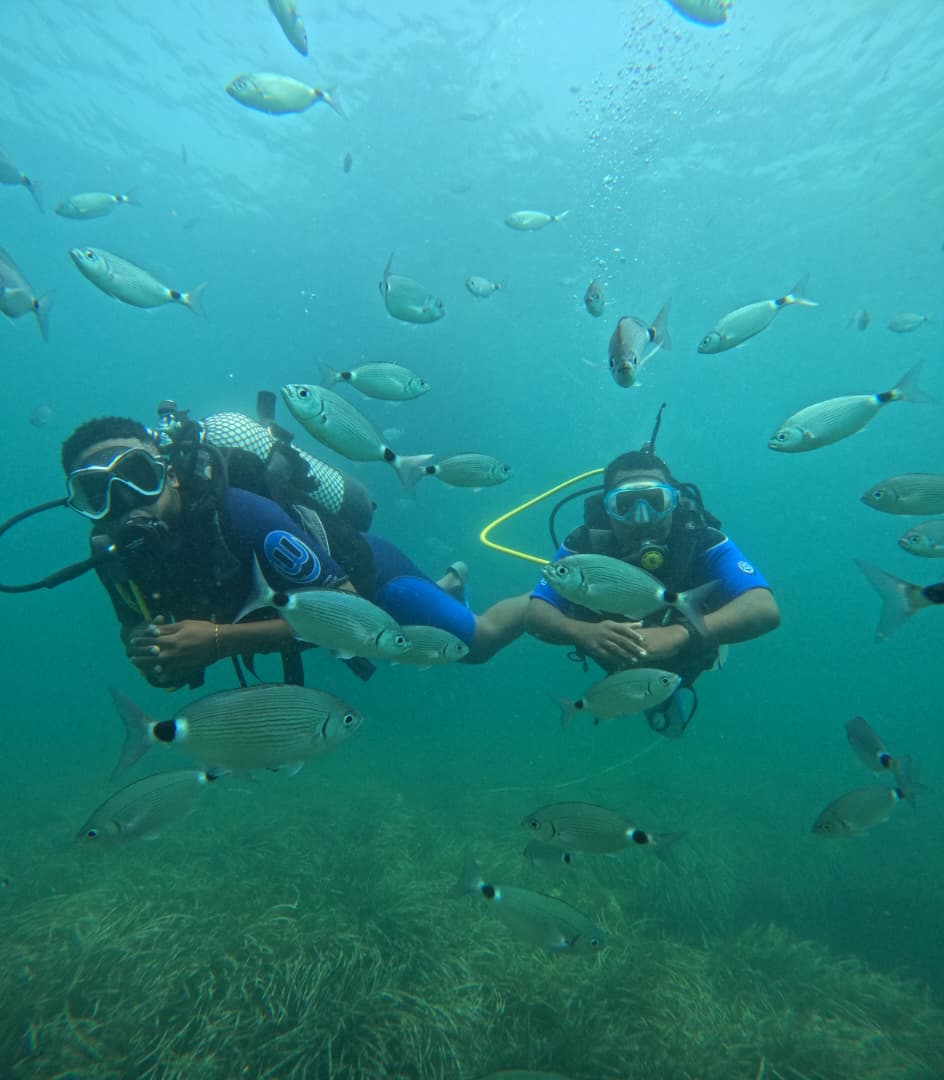
Recent Conservation Initiatives
EXECUTIVE BOARD
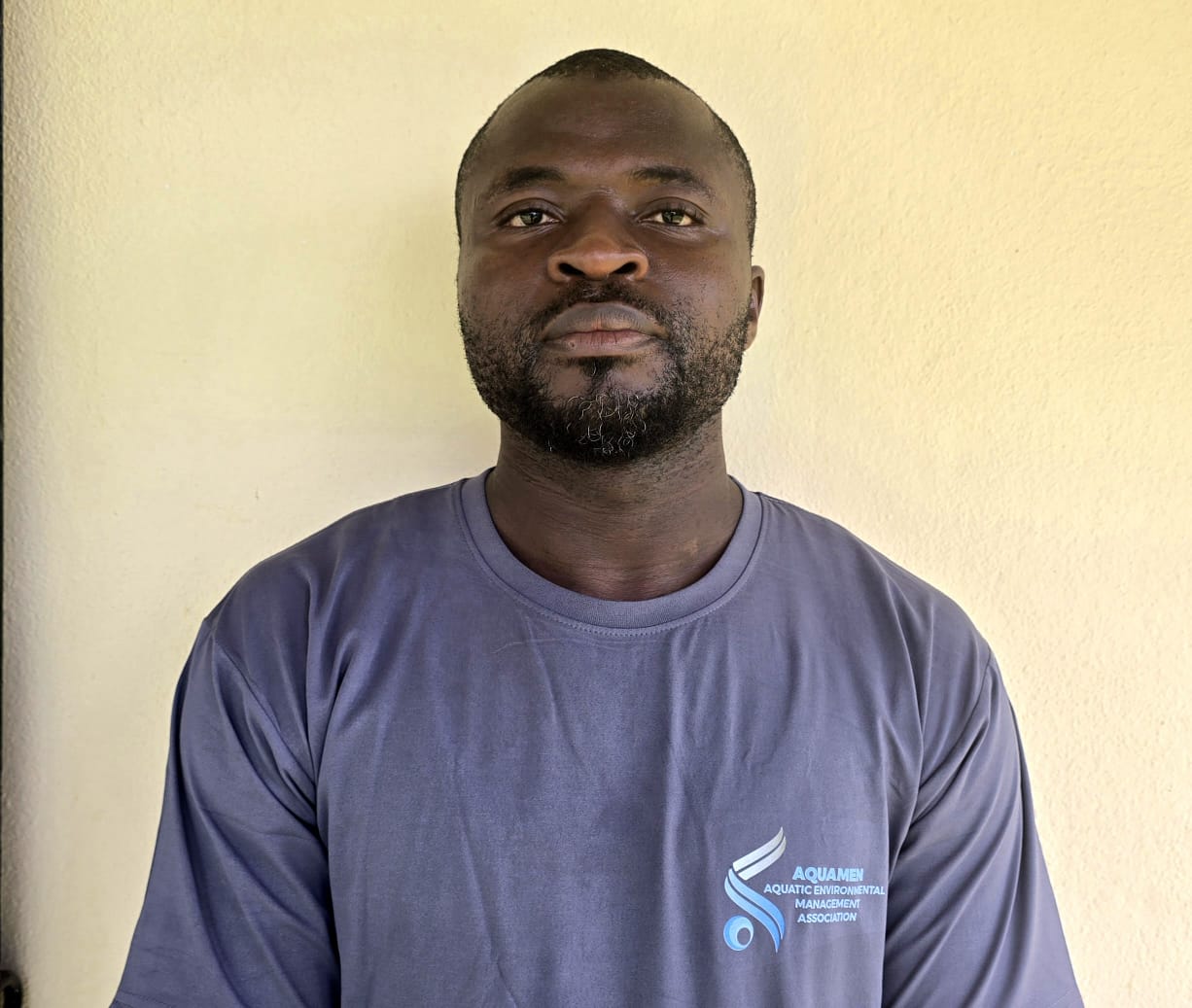
Our Dedicated Leadership

RESEARCH & INITIATIVES
Explore Our Comprehensive Marine Conservation Programs
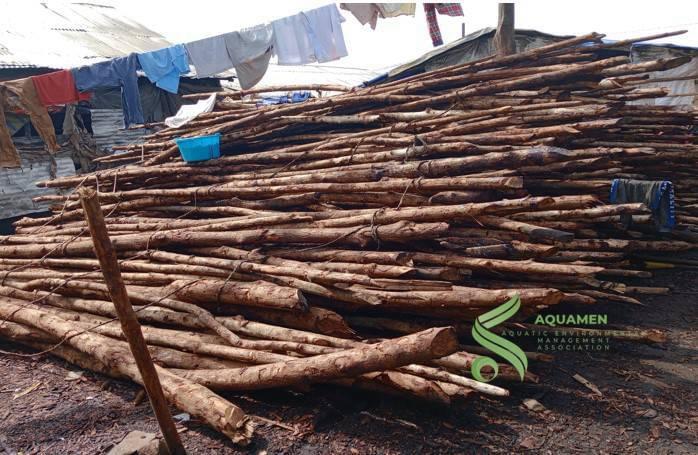
Integrated management of mangrove in cameroon with stakeholders and effective involvement of the local riparian community
Voir plus
Mangroves, coastal ecosystems located at the interface between land and sea, represent rich biotopes that play a fundamental role in protecting biodiversity, regulating local climates, and preserving coastal resources. However, these fragile environments face increasing threats, including human-induced destruction, pollution, and climate change. The Cameroonian coastline is no exception to this reality, as fishermen often cut down mangrove wood for fish smoking and house construction. In this context, integrated mangrove management emerges as an essential approach to ensure the sustainable use of these ecosystems while preserving their vital ecological functions. Consequently, AQUAMEN has committed to applying integrated management to Cameroon's mangroves, an approach that hinges on simultaneously considering environmental, economic, and social dimensions. By integrating these diverse aspects, decision-makers can formulate strategies that promote sustainable development while addressing the needs of local communities dependent on these ecosystems for their livelihoods. For example, activities such as fishing, agriculture, and tourism are closely linked to mangroves but require regulation to prevent compromising their health. AQUAMEN aims to tackle the significant challenge of coordinating efforts among the various stakeholders involved. Governments, NGOs, scientists, and local communities must collaborate to establish effective conservation and management policies. This is why we are engaged in awareness and education efforts directed at both local populations and decision-makers, fostering a deeper understanding of the issues related to mangrove degradation and its implications for daily life and the economy. We also plan to undertake the restoration of degraded mangroves, which is a key component of integrated management, but such efforts must be grounded in rigorous scientific studies that consider biodiversity and local dynamics. Additionally, monitoring mangroves through modern technologies, such as drones and satellite imagery, will provide an effective means of tracking the state of these ecosystems and evaluating the impact of implemented measures. Furthermore, it is crucial to incorporate climate change considerations into mangrove management. These ecosystems are not only vulnerable to the effects of climatic variations, but they also play an essential role in mitigating such effects by serving as carbon sinks. Investing in the resilience of mangroves against climatic hazards could, in the long run, offer solutions for both biodiversity conservation and the protection of coastal populations against extreme events. Ultimately, it is imperative that management policies remain flexible and adaptive, taking into account new scientific data and social changes. The active involvement of local communities in the decision-making process is not only ethical but also pragmatic, as their traditional knowledge and experience are invaluable assets for effective and sustainable mangrove management.
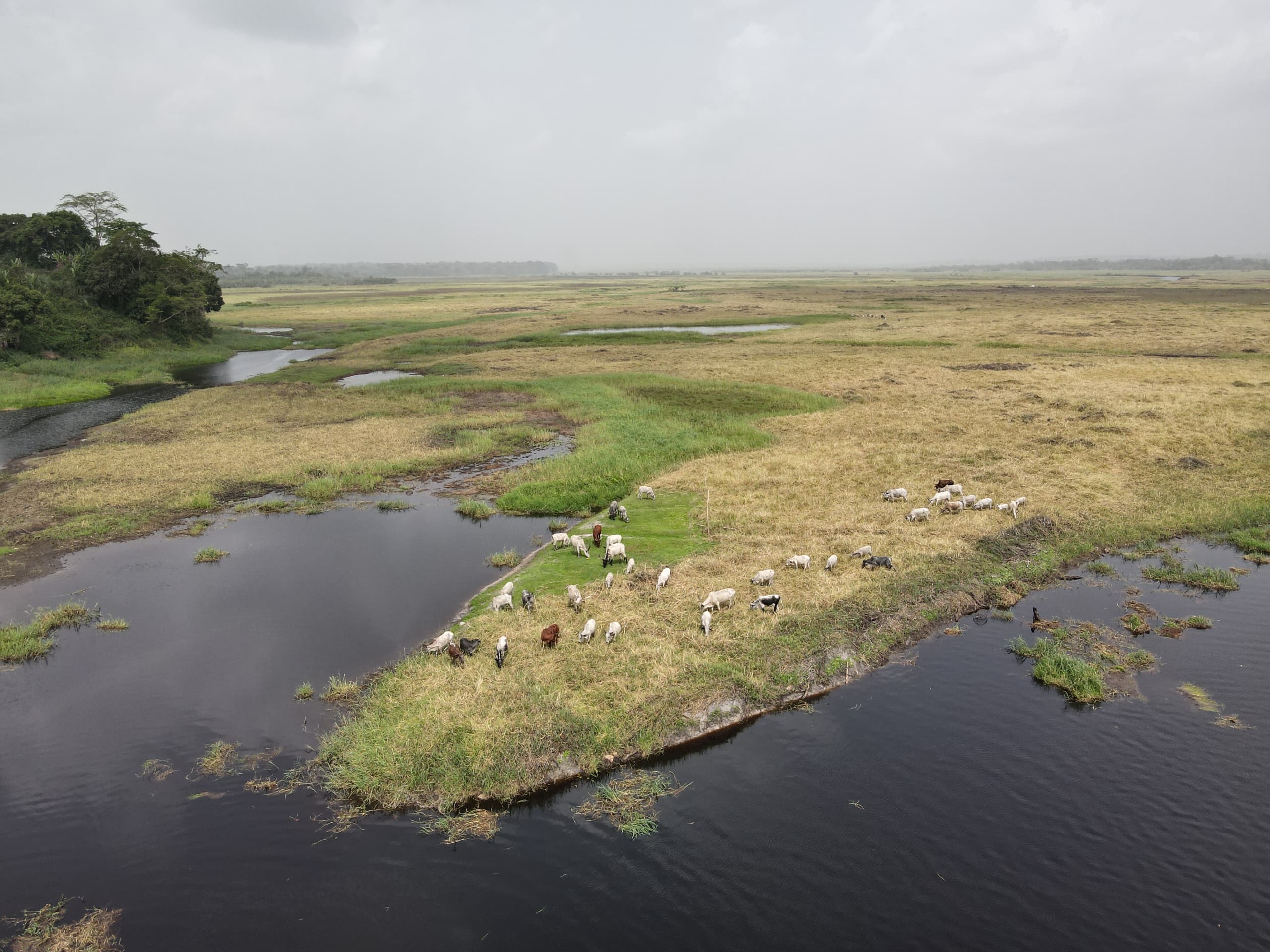
Conserving biodiversity and sustainably managing essential resources in the Nyong River region
Voir plus
The Nyong River, meandering through the South Region of Cameroon, represents a vital ecosystem for both local fauna and flora. This waterway serves not only as a fundamental source of livelihood for the surrounding communities but also harbors a rich biodiversity, including several endemic and endangered species. However, it faces mounting threats such as the proliferation of invasive plant species, climate change, and poaching of vulnerable species like the African manatee. These challenges, exacerbated by climate variations, necessitate immediate action to mitigate impacts and preserve the ecological wealth of the river. Strengthening biodiversity conservation within the Nyong River ecosystem has thus become an imperative priority. To achieve this, AQUAMEN will implement integrated and participatory strategies. A key component of these strategies will be raising awareness among local communities regarding the significance of biodiversity and the benefits of sustainable resource management. Environmental education programs will be developed to actively engage residents in the protection of ecosystems, while providing them with sustainable alternatives to traditional practices such as fishing. Additionally, promoting ecotourism could serve as a significant source of income for these communities while fostering the conservation of natural habitats. The establishment of RAMSAR sites along the Nyong River is also a crucial measure for protecting biodiversity. These areas can act as refuges for endangered species and natural laboratories for scientific research. Management of these sites will be conducted in collaboration with local stakeholders to ensure that the needs and cultural values of the populations are respected. Concurrently, monitoring the quality of water and aquatic ecosystems will be enhanced through partnerships involving researchers and scientists alongside local authorities.
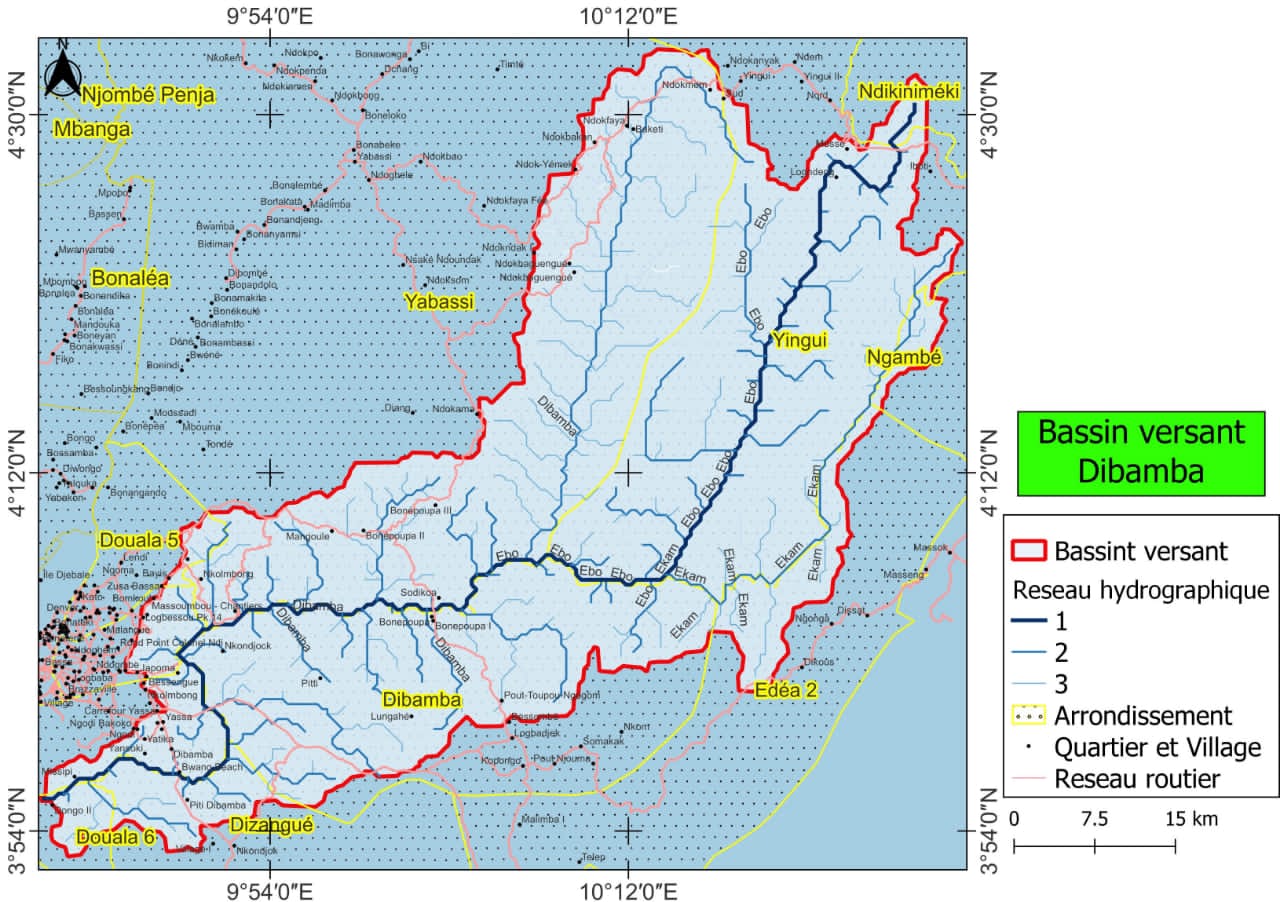
Improving the understanding of the hydrology of the watersheds along the Cameroonian coast
Voir plus
Hydrology, as a scientific discipline, plays a pivotal role in the management of water resources, particularly in coastal regions where hydrological systems are often subjected to significant anthropogenic and environmental pressures. The coastal watersheds of Cameroon, notably those of the Sanaga, Wouri, and Nyong rivers, are characterized by a diversity of hydrological regimes influenced by various climatic and geographical factors. However, the existing data on these systems remain incomplete and frequently unreliable. Enhancing our hydrological understanding of these watersheds is essential for optimizing water resource management and mitigating risks associated with flooding, coastal erosion, and pollution. In response to this pressing situation, AQUAMEN has made the strategic decision to address the growing challenges related to integrated water resource management by developing a denser and more systematic hydrological data collection network. This initiative will involve the installation of hydrometric and rain-gauge stations, alongside the implementation of remote sensing systems that facilitate continuous, real-time observation of hydrological parameters. Furthermore, hydrological modeling will serve as a valuable tool for simulating watershed behavior in response to various climatic and anthropogenic conditions. The application of region-specific numerical models for the coastal area of Cameroon will allow for anticipatory assessments of the impacts of climate variability and land use changes on the water cycle. By integrating this modeling approach with collected field data, it will be possible to develop prospective scenarios that will inform planning interventions and the establishment of sustainable water resource management policies. AQUAMEN is also committed to adopting a participatory approach that engages local communities, decision-makers, and scientists. By raising awareness among populations about hydrological issues, we promote a collaborative development of solutions tailored to local realities. Initiatives focused on training and education regarding water management practices, combining traditional knowledge with scientific innovations, will further bolster community resilience in the face of hydrological challenges. This comprehensive strategy underscores AQUAMEN's dedication to fostering a sustainable and inclusive framework for water resource management in the coastal regions of Cameroon.
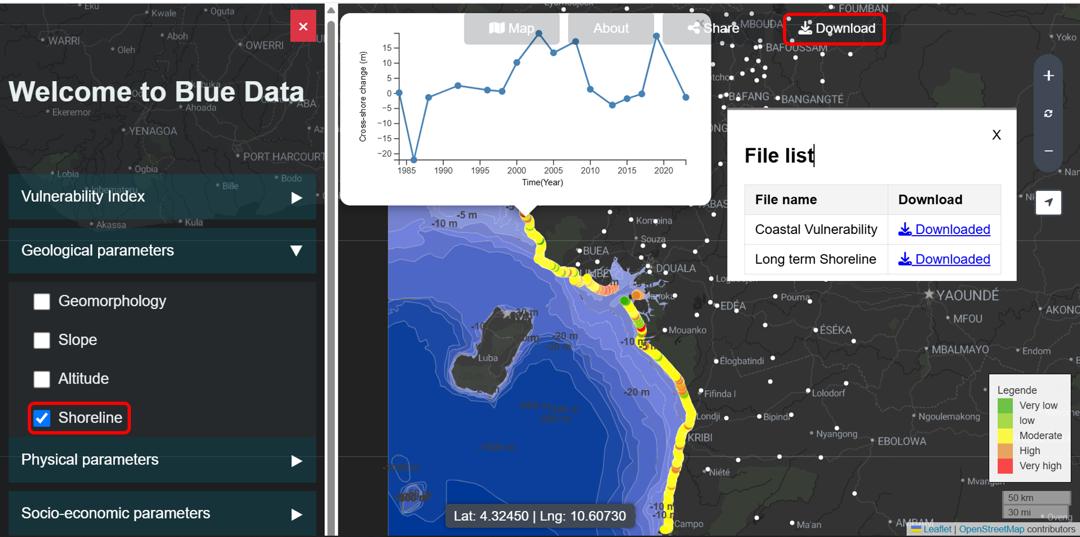
Blue Data : L'observatoire collaboratif pour la résilience du Golfe de Guinée
Voir plus
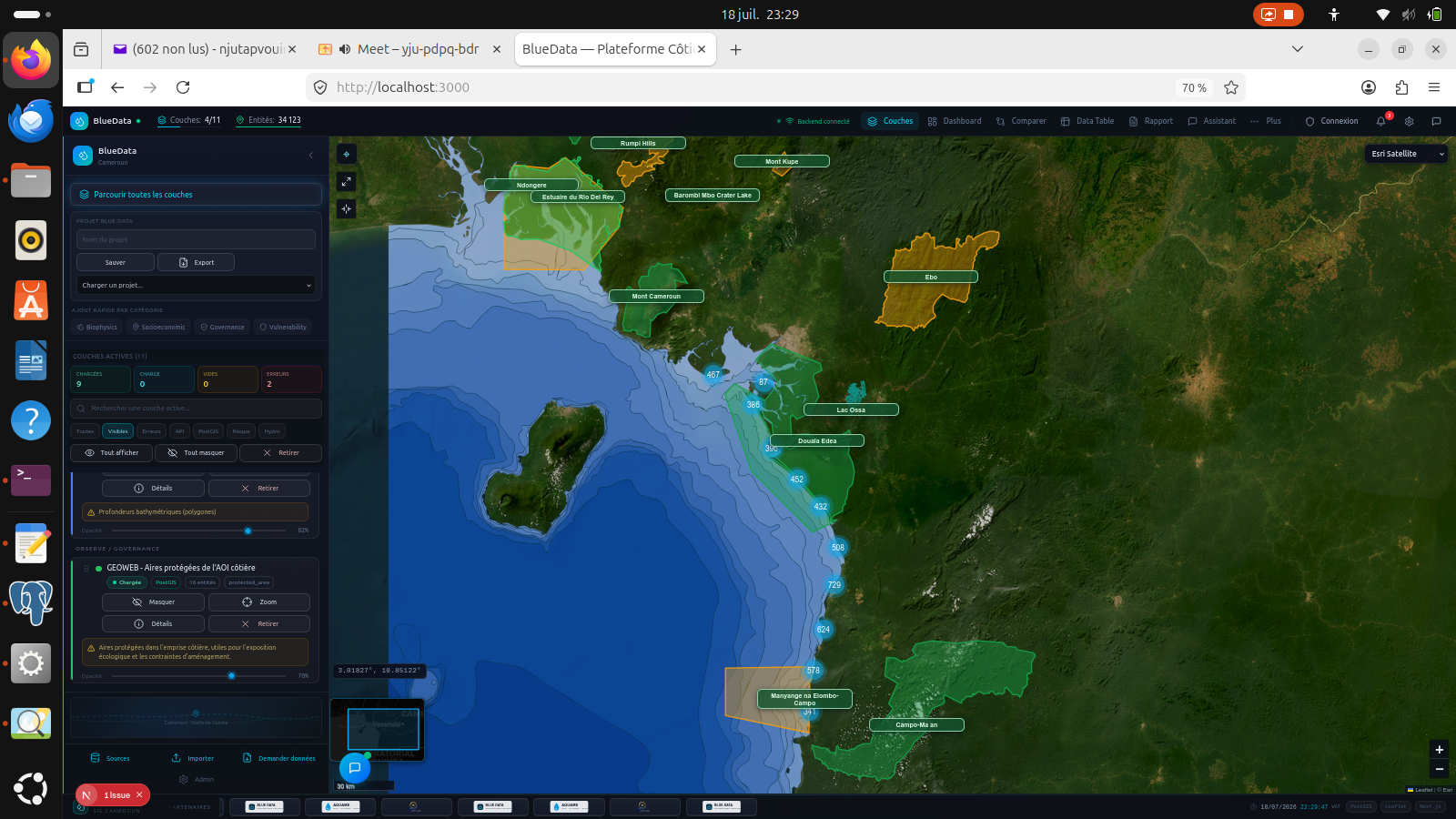
Face à la persistance de la pêche illégale et non déclarée (INN) sur les espaces marins et côtiers non autorisés de la côte camerounaise, conjuguée à une érosion côtière progressive et visible sur l’ensemble du littoral, la nécessité d’une réponse innovante et scientifique solide devient cruciale pour renforcer sa gestion. En réponse à ce défi croissant, un système de surveillance participatif a été développé (Blue Data) pour collecter en temps réel les données locales et contextuelles, qui, combinées aux données satellitaires, seront analyser en continu de manière automatique et précise, fournissant ainsi aux décideurs un outils scientifique performant pour orienter les choix politique de gestion, renforcer la gouvernance et anticiper sur les risques de l’espace côtiers.
GECOP : Approche de gestion des espaces marin et côtier
Voir plus
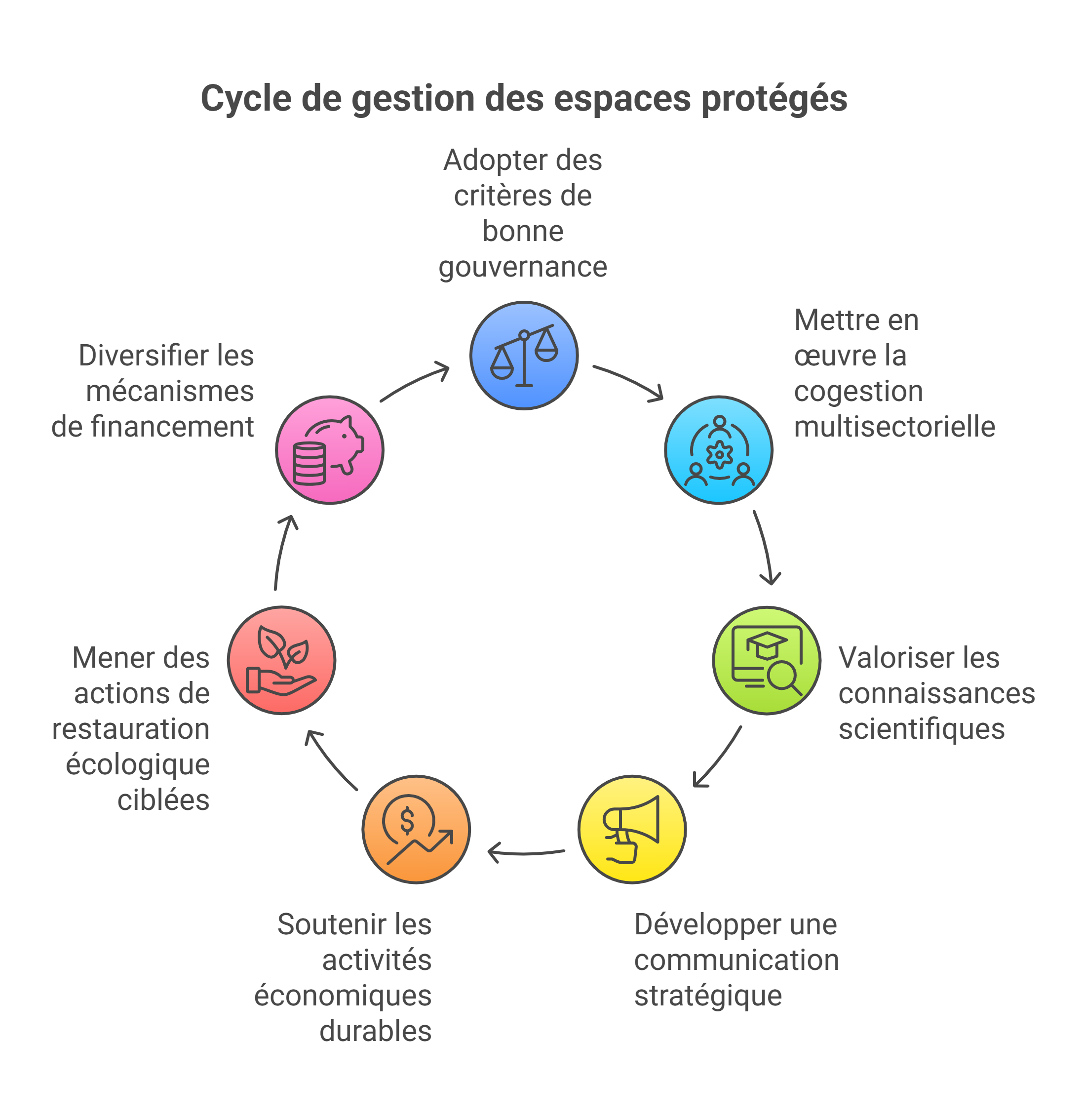
Au Cameroun, les Aires Marines Protégées (AMP) et les Autres Mesures de Conservation Efficace par Zone (AMCEZ) occupent une place stratégique dans la préservation de la richesse biologique côtière. Cependant leur potentiel reste sous-exploité en raison des défis majeurs liés à la gouvernance et la gestion adaptée. Face aux exigences du Cadre mondial pour la biodiversité de Kunming-Montréal (COP15), qui met l’accent sur une gouvernance équitable et une gestion efficace des zones protégées, AQUAMEN a mis en place une approche baptisée GECOP (Gouvernance, Exploitation, Cogestion et Planification) inspiré de plusieurs autres approches de gestion. Cette méthode innovante propose un cadre intégré, participatif et flexible pour renforcer la gestion des espaces protégés marin et côtier au Cameroun.
Ecological assessment (AQUA-RESEARCH)
Voir plus
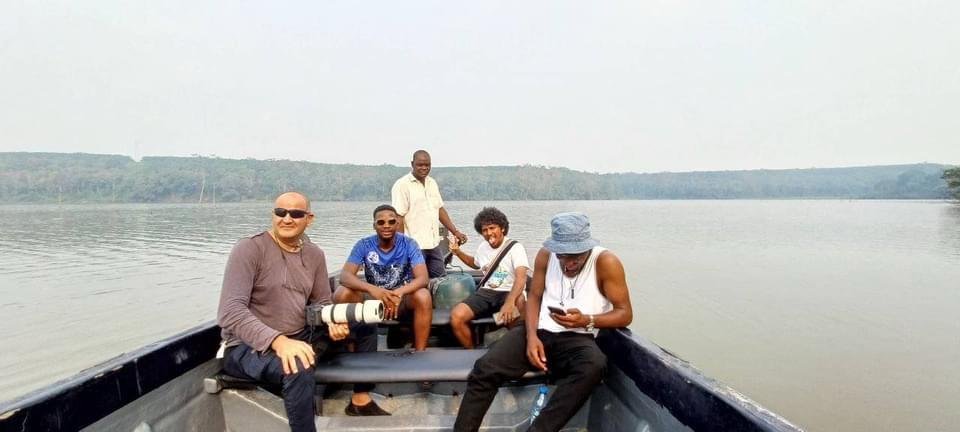
Implement in-depth studies to assess, identify and map coastal marine habitats essential to biodiversity while promoting the traditional knowledge of coastal communities. This axis is the abbreviated AQUA-RESEARCH program.
Community Awareness (AQUA-COM)
Voir plus
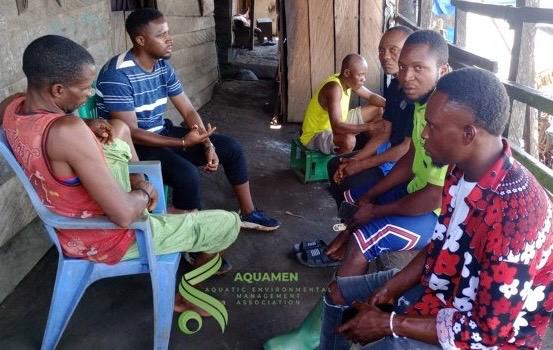
Develop educational programs to raise awareness among local communities and the general public of the importance of marine conservation and good resource management practices. This axis is the abbreviated AQUA-COM program.
Develop sustainable livelihoods for the local riverside community (AQUA-INVEST)
Voir plus
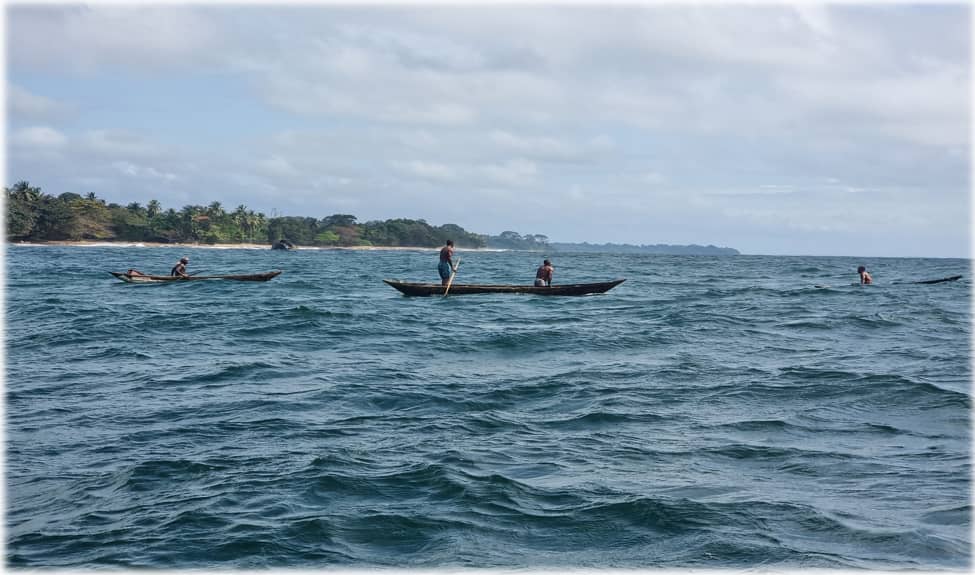
Implement an integrated approach that favors training in responsible fishing practices, eco-tourism and the development of natural resources in order to contribute to harmonious and environmentally friendly development. This axis is the abbreviated AQUA-INVEST program.
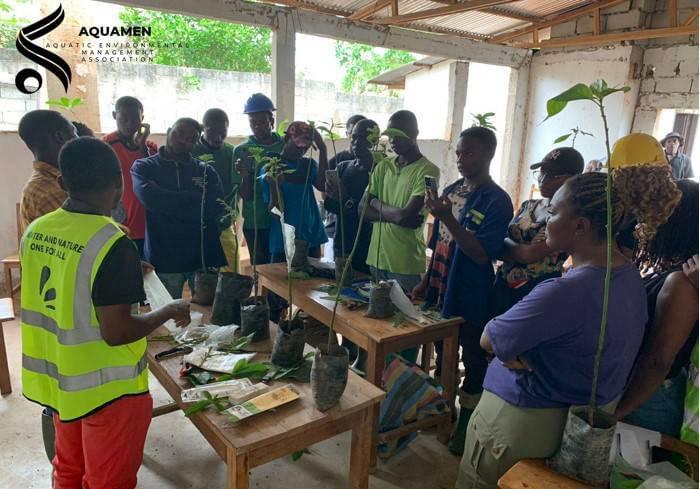
Strengthening the management and governance of aquatic biodiversity (AQUA-GOV)
Voir plus
Adopting an integrated approach combining the collaboration of stakeholders, the establishment of monitoring and evaluation mechanisms will make it possible to identify threats to aquatic ecosystems and adjust conservation strategies accordingly. This axis is the abbreviated AQUA-GO program.
IMPACT & CHIFFRES CLÉS
Depuis 2016, AQUAMEN mène des actions concrètes pour la préservation des écosystèmes marins et côtiers au Cameroun.
150+
Hectares de Mangroves
Restaurés et suivis le long du littoral camrounais.
45+
Tonnes de Déchets
Plastiques et polluants retirés des côtes et plages.
8+
Années de Recherche
En océanographie, limnologie & cartographie marine.
3500+
Personnes Sensibilisées
Pêcheurs, étudiants et riverains de la côte.
CARTE INTERACTIVE & ALERTE ÉCOLOGIQUE
Explorez nos zones d'intervention sur le littoral camerounais ou signalez directement une pollution marine / atteinte à la biodiversité.
Signaler un Incidents Écologique
Vous observez un dépôt sauvage de plastiques, une déforestation de mangrove ou une faune marine en détresse sur la côte ? Transmettez-nous l'alerte !
TÉMOIGNAGES & ENGAGEMENT
Ce que disent les communautés de pêcheurs, chercheurs et partenaires à propos des actions d'AQUAMEN.